Nicht kaufen? ok, vielleicht später…
Category: projekte
done
Danke für die Bestellung. Das Buch wird in Kürze verschickt.
über
Tuned City untersucht das Verhältnis von Raum und Klang im urbanen Kontext.
Tuned City untersucht das Verhältnis von Raum und Klang und präsentiert künstlerische Arbeiten und theoretische Positionen in Auseinandersetzung mit Wahrnehmung und Interaktion im urbanen Kontext. Im Mittelpunkt des Interesses stehen Ansätze, die sich kritisch mit der gegebenen urbanen und architektonischen Situation und den resultierenden sozio-politischen Implikationen auseinandersetzen, für diese sensibilisieren, vorhandene Räume neu nutzen oder neue Räume denken und öffnen. Theorie und künstlerische Paxis werden in stark ortsspezifischen Formaten entwickelt und vermittelt.
Das erste Ausstellungs- und Konferenzprojekt Tuned City – Zwischen Klang- und Raumspekulation fand vom 1.-5. Juli 2008 an 13 Orten in Berlin statt und versammelte fast 100 Künstler, Architekten und Theoretiker.
Tuned City wird als Plattform weiterentwickelt und führt den Diskurs an anderen Orten theoretisch und praktisch fort.
put your ear on the wall
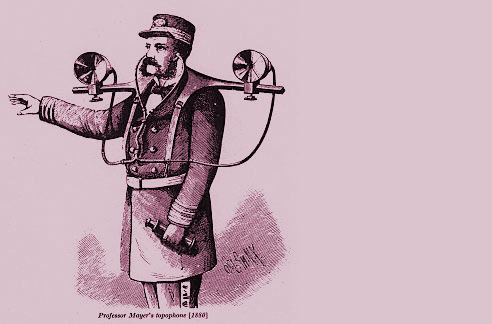
tuned city Panel at clubtransmediale 2010 mit John Grzinich [US/EE] Sam Auinger [AT/DE] Derek Holzer [US/DE] und Carsten Stabenow [DE]
Während des ersten tuned city Events in Berlin im Sommer 2008 kamen fast 100 Künstler, Architekten und Theoretiker zusammen um an 5 Tagen auf einer aksutischen Reise durch die Stadt über das Verhältniss von Klang und Architektur zu sprechen.
Dieses Panel wird grundsätzliche Ideen und den Stand der Diskussion vorstellen sowie aktuelle Planungen des Projektes für ISEA 2010 (in Kollaboration mit der KHM Köln) und für die Europäische Kulturhaupstadt Tallinn 2011 präsentieren.
5. februar 2010 / 19 Uhr / .HBC Karl-Liebknecht-Strasse 9 / 10178 Berlin-Mitte
http://www.clubtransmediale.de
opening of the permanent installation by mark bain
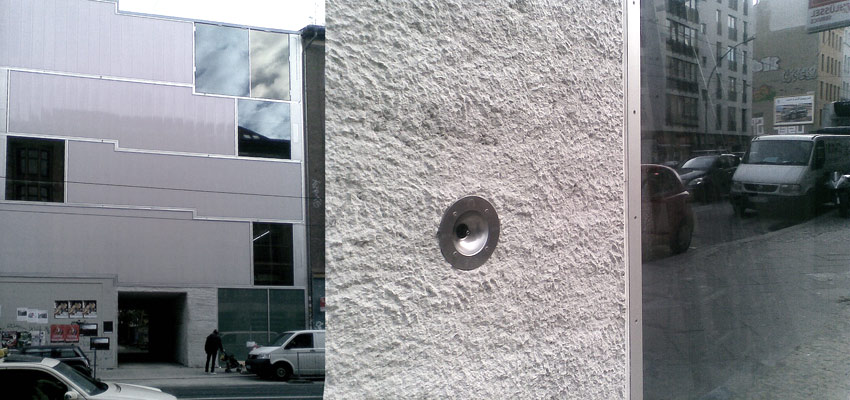
Die Installation BUG von Mark Bain in Zusammenarbeit mit Arno Brandlhuber ist fertiggestellt worden.
Über einen Kopfhöreranschluss in der Fassade der Brunnenstrasse 9 (Berlin) kann man dem Innenleben des bereits viel gelobten Gebäudes lauschen. Bereits in den Rohbau des fünfgeschoßigen, luftigen Betonbaus implementierte Bain ein Sensorensystem für seismische Datenmessungen, das sämtliche mechanische und akustische Schwingungen auffängt: Den Wind an der Fassade, den Aufzug, Schritte, den Regen am Dach, die U-Bahn im Erdreich, die thermische Ausdehnung des Materials.
Die Installation wird offiziell am 22. Januar 2010, 21:30 Uhr mit einer Performance von Mark Bain eröffnet.
In Zusammenarbeit mit der Galerie Koch Oberhuber Wolff
echelon teufelsberg
Performance Empfehlung:
11. Dezember ausland Berlin
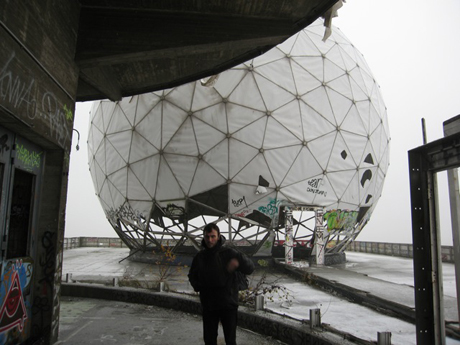
Eine akusmatische Komposition von Thomas Ankersmit and Valerio Tricoli, basierend auf den Vor-Ort Aufnahmen im Hauptgebäude der stillgelegten Spionage Anlage im Teufelsberg / Berlin-Grunewald. (Recorded by Paul Paulun.)
UM festival Lissabon

noise – or the artificial concept of silence
Ein paar Ideen zum Thema noise, Vortrag auf dem UM festival in Lisbon.
Conversation 1 mit Emanuel Pimenta und Carsten Stabenow.
„From this Position“: Die Kunstruktion von Landschaft und die Beziehungen von Klang, Bild, Architektur und Raum.
18 – 19.30h
12 November 2009
FBAUL, Auditorium, Faculdade de Belas-Artes da Universidade de Lisboa,
Largo da Academia Nacional de Belas-Artes. €3
tuned city presentation at KHM, Cologne
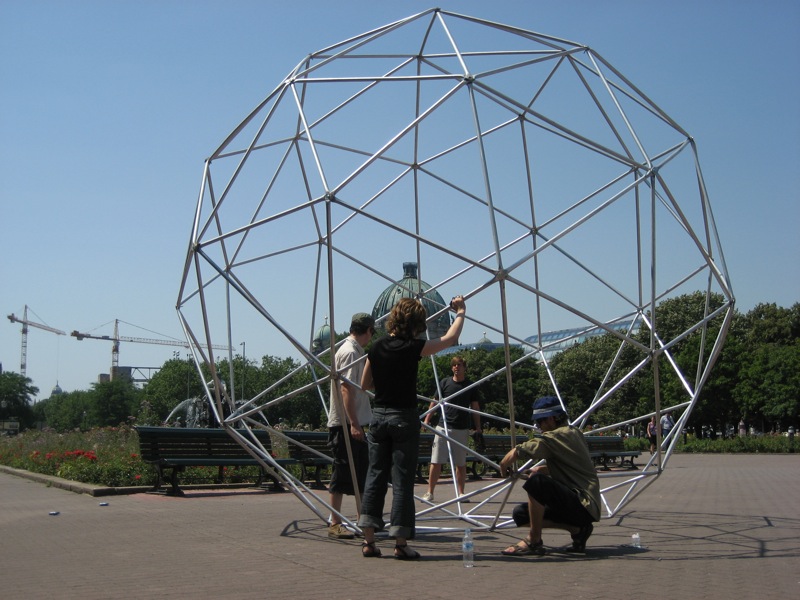
Derek Holzer präsentiert ausgewählte Aspekte des tuned city Festivals 2008 und stellt den TUNED CITY KÖLN workshop vor, der über die nächsten Monate an der Kunsthochschule für Medien stattfinden wird.
Monday 19 October 19.00-20.00
Klanglabor, Filzengraben 8-10, Hinterhof links
Kunsthochschule für Medien Köln, Cologne, Germany
tuned city cologne workshop
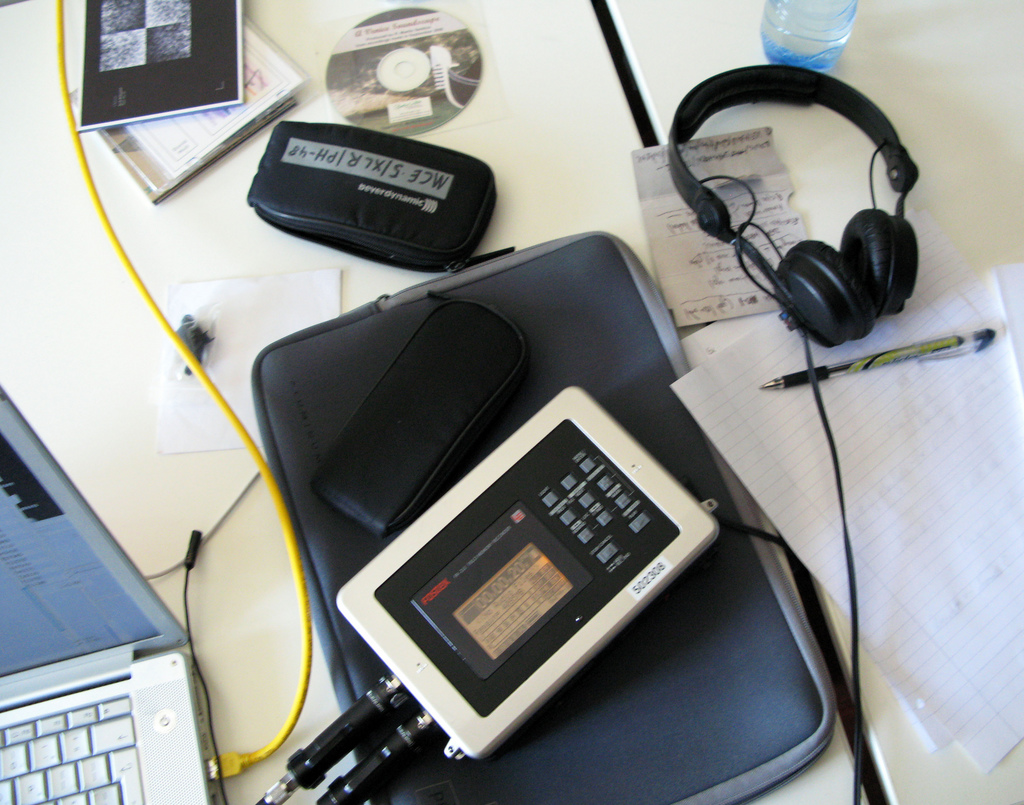
Dieser workshop untersucht die Beziehungen von Klang, Architektur und Stadtraum und ist Auftakt für ein Projekt im Rahmen von ISEA 2010.
Weitere Informationen hier.
part I:
Tuesday 20 October & Wednesday 21 October 10.00-17.00
Klanglabor, Filzengraben 8-10, Hinterhof links
Kunsthochschule für Medien Köln, Cologne, Germany
tuned city grafic design
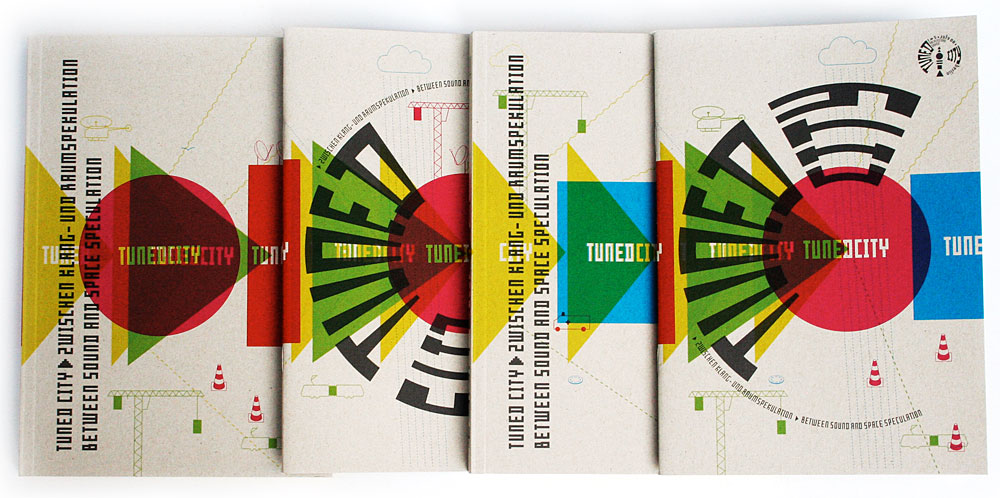
Die Plakatserie zu tunedcity wurde zu den 100 Besten Plakaten 2008 gewählt und in den gerade publizierten Bänden „Regular – Grafic Design Today“ des Gestalten Verlags Berlin und „Flashback“ von victio:ary, Hong Kong wurde die Plakatserie veröffentlicht.
Das tunedcity Buch verfehlte nur knapp die Nominierung zu den schönsten deutschen Büchern 2008 der Stiftung Buchkunst und ist unter “50 auch sehr schöne Bücher” gelistet.
tuned city at european cultural capital 2011 in tallinn
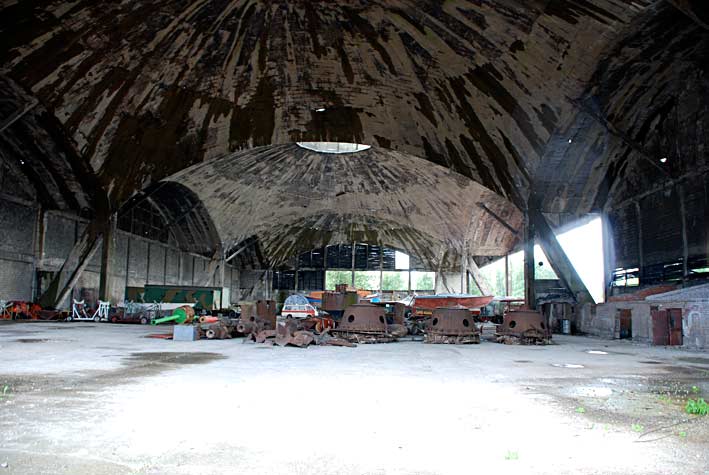
Wir arbeiten derzeit an tuned city für Tallinn 2011 (Europäische Kulturhauptstadt 2011). Tallin Sound City 2011 ist ein größer angelegtes Projekt in dessen Rahmen wir ein mehrtägiges Symposium mit starkem lokalen Bezug entwickeln. Ähnlich wie bei tuned city Berlin 2008 wird ein besonderer Schwerpunkt auf plastischer, illustrativer Vermittlung und auf ortsbezogenen Projekten und Demonstrationen liegen.
singuhr salon 1/09: Klang – Raum – Öffentlichkeit
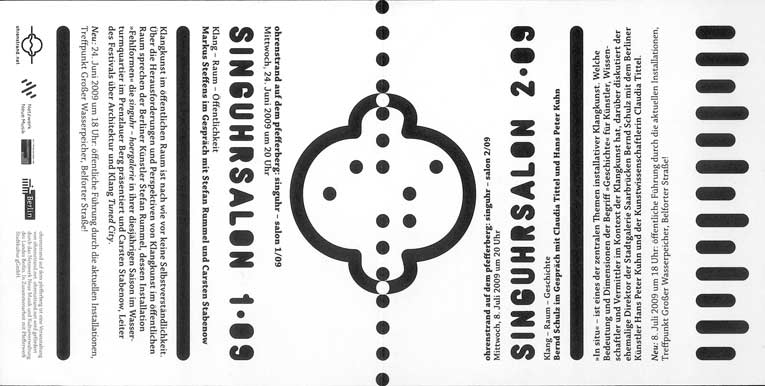
Klangkunst im öffentlichen Raum ist nach wie vor keine Selbstverständlichkeit. Über die Herausforderungen und Perspektiven von Klangkunst im öffentlichen Raum sprechen der Berliner Künstler Stefan Rummel, dessen Installation “Fehlformen” die singuhr – hoergalerie in ihrer diesjährigen Saison im Wasserturmquartier im Prenzlauer Berg zeigt und Carsten Stabenow, Leiter des Festivals über Architektur und Klang „Tuned City“.
Mi 24.06.09 um 20 h
ohrenstrand auf dem Pfefferberg: singuhr – salons
Pfefferberg Haus 13, Schönhauser Allee 176, 10119 Berlin
OASE 78 – Immersed / Sound and Architecture
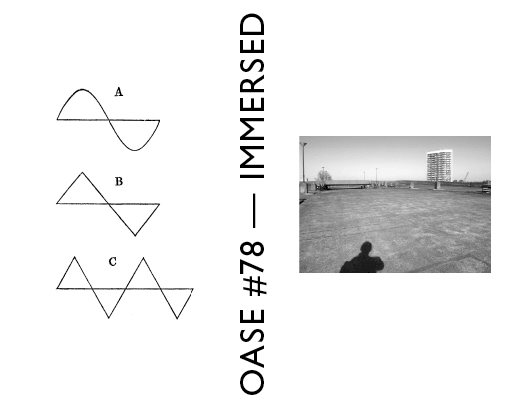
Raviv Ganchrow und Julia Kursell sind die Herausgeber der aktuellen Ausgabe von OASE.
Unter dem Titel Immersed, beschäftigt sich OASE 78 mit fragen von Raum und Klang. Diese Ausgabe des Magazins präsentiert eine Reflektion über spatiale Aspekte von Klang und untersucht transformative und temporäre Raumdimensionen.
Autoren: Jean-François Augoyard, Barry Blesser, & Linda-Ruth Salter, Charles Curtis, Douglas Kahn, Brandon LaBelle, Armin Schaefer, Sven Sterken, Emily Thompson
Herausgeber: Pnina Avidar, Raviv Ganchrow, Julia Kursell
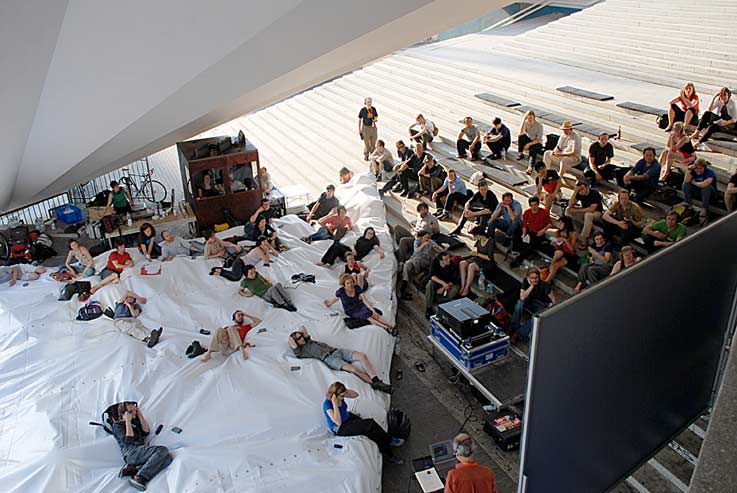
tunedcity audio documentation 01.-05. June 2008
Digimag 39 – Il suono come arte
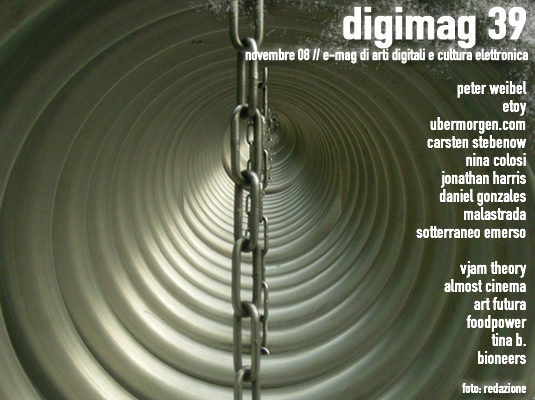
das italienische magazin digimag veröffentlicht in seiner ausgabe 39 ein interview mit carsten stabenow zu tuned city 2008.
eine englische version des interviews findet sich hier.
tuned city book reviews
The Wire #296, October 2008:
Tuned City – Between Sound and Space Speculation
Doris Kleinen/Anne Kockelkorn/Gesine Pagels/Carsten Stabenow (Editors)
Kook Books Pbk EUR 25
Published to coincide with a conference of the same name held in Berlin last July, Tuned City explores the impact of sound on our urban environment. This collection of 12 essays and interviews pulls together contributions by sound artists, architects, media theorists and even a neurologist, offering an overall picture of the multifarious relations between sound and architectural space.
Opening up new and refreshing perspectives, the book features several contributions form architects who actively engage with sound. These include Doris Kleilein and Anne Kockelkorn, whose essay „Disconnection“ explains why architecture is ‚disconnected‘ from sound and noise, noting that at the most it is required to combat them. The authors go on to argue, quote rightly, that sound artists show a similar lack of interest in architecture: using recording and playback equipment, they create acoustic spaces that exist by virtue of the performance, relegating actual built space to the background. Other architects attempt to bridge the gap between built space and sound: Pascal Amphoux and Gr?goire Chelkoff from Cresson, the French Sound Space and Urban Environment Research Centre, present a typology of sonic effects occurring in urban areas, outlining the relationship between these effects–which range from reverberation to immersion or attraction–and architectural space. This typology provides a standardized vocabulary that can be used by psychologists, sociologists or architects dealing with sound, while also reconfiguring our perception of the urban environment. Architectural theorist Susanne Hauser likewise examines the social impact of urban soundscapes, arguing that the functional, unaesthetic structures making up the major part of today’s agglomerations are designed to attract neither the eye not the ear. She suggests that this sensory deprivation may well be responsible for the retreat of city dwellers into their own private spaces via technologies such as the iPod, which allows users to select their audio environment. In his writings, the philosopher Peter Sloterdijk has discussed such strategies of selective participation, which can lead the individual to experience the rest of the world as a poison, or at best as a meaningless backdrop.
As its subtitle suggests, Tuned City also leaves room for some thought-provoking speculation. Architect Arno Brandlhuber evokes the possibility of modifying the sound of one’s living room by adding echo or adjusting the volume. Elsewhere, musician and sound artist Thomas Ankersmit points out that buildings reflect sound but never dialogue with it. Even more intriguingly, architect and sound artist Raviv Ganchrow considers the possibility of a dialogue between the building and the user, in which the architecture is perceived not as a finished product, but as a system that is only complete when it is listened to as well as looked at. At a time when sound is becoming increasingly controllable, directional and ‚material‘, these ideas open up new perspectives for architecture that are not as utopian as they may appear.
Sound engineer Barry Blesser’s essay on aural spatiality comes across as simplistic and self-evident alongside the exhaustive typology developed by the Cresson team, while an article or two charting the theoretical underpinnings and historical background of the arguments put forward in these contributions would not have gone amiss. These are minor quibbles, however; as an indicator of sound’s undeniable capacity to influence architectural practice and a plea for greater openmindedness on the part of architects, Tuned City makes for essential reading.
Rahma Khazam, The Wire #296, October 2008
———
neural #32, January 2009:
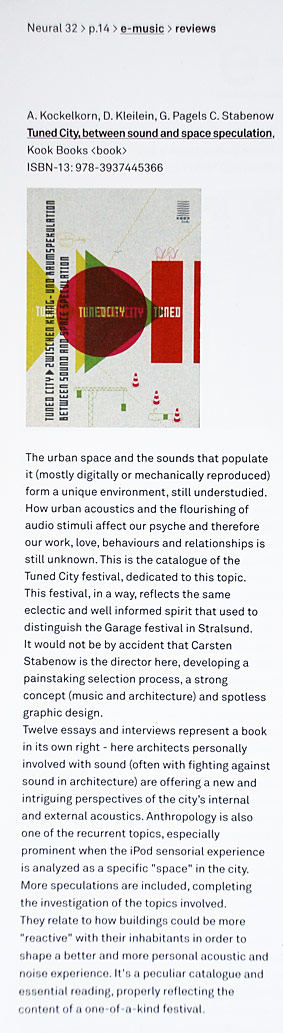
[…] It’s a peculiar catalogue and essential reading, properly reflecting the content of a one-of-a-kind festival. […]
Alessandro Ludovico, neural #32
tuned city at dis-patch festival belgrade
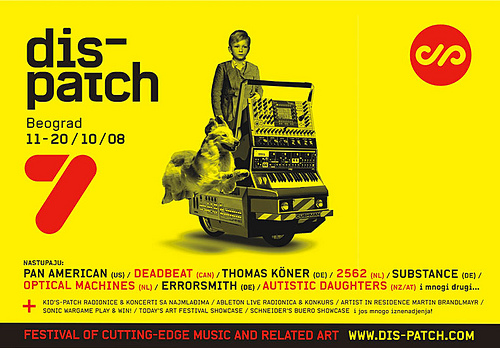
Am 12. Oktober ist TUNED CITY mit einer Projektpräsentation zu Gast auf dem dis-patch festivals in Belgrad.
tuned city at full pull festival malmö
Am 6. September ist TUNED CITY zu Gast auf dem full pull festivals in Malmö. Neben einer Projektvorstellung und Diskussion zum Thema wird es Performances von Mark Bain und Julien Clauss geben.